In the long afterlife of Baldur's Gate 3, a curious experiment began to circulate among players who adored Larian Studios' sprawling RPG but chafed at its turn-based rhythm. The game arrived on August 3, 2023, and by 2026 its reputation as one of the defining role-playing games of its era had only hardened. Yet a dedicated modder named tinybike was asking a heretical question: what if the Sword Coast did not wait its turn? The project sought to transform the game's tactical combat into a real-time system, letting players select skills, fire them immediately, and then wait for cooldowns to expire. It was rough, unfinished, and unmistakably ambitious—a clockmaker's workshop where every gear argued with the next. 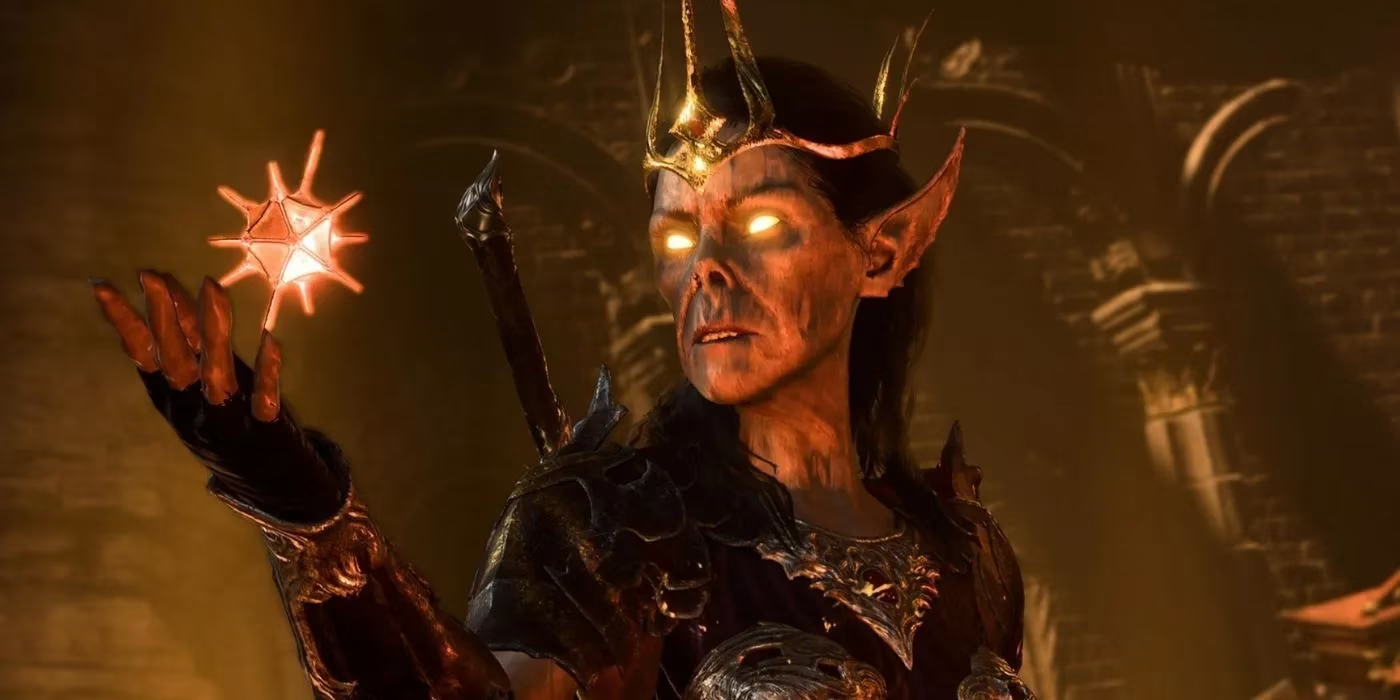
The appeal was easy to see. Turn-based combat is a staple of Dungeons & Dragons, where a table full of players cannot all shout over one another at once. In video games, however, the system divides opinion. When handled with care, it is tactical and rewarding; when handled poorly, it is slow and tedious. Baldur's Gate 3 belonged firmly to the former camp, but even its defenders could miss the pace of something like Dragon Age. The mod did not seek to erase Larian's careful rules. It sought to change the tempo, as though a chessboard had suddenly sprouted legs and learned to sprint. Attacks were made by selecting an option, executing it at once, and then waiting for a cooldown to expire. Strategy remained essential for eliminating faster foes or tankier bosses, but the old queue of turns dissolved.
For newcomers, the shift could matter. Larian earned deserved praise for making the Dungeons & Dragons rule set more accessible to players without years of tabletop experience. Even so, the nature of combat is complicated, built on unique modifiers, damage numbers, and chances to hit. A first encounter can feel like being handed a rulebook written in three languages while the monsters keep moving. Turn-based combat helps because it slows the lesson down, but a more familiar style could also help. The real-time-with-pause system is often associated with massive role-playing games, and the mod's cooldown-driven approach echoes that lineage. Aside from Dragon Age, Bioware titles such as Star Wars: Knights of the Old Republic and Mass Effect used real-time-with-pause combat. The mod may not solve the issue of complicated ability descriptions, but it could make the flow of battle feel more recognizable to players who struggle to see how the rules work in practice.
⚔️ Two Rhythms, One Adventure
| Feature | Turn-Based Baldur's Gate 3 | Real-Time Mod Experiment |
|---|---|---|
| Combat flow | Initiative order; each combatant waits | Skills fire immediately; cooldowns gate repeats |
| Tactical feel | Deliberate, puzzle-like | Pressured, reactive, still strategic |
| Newcomer barrier | Slower pace can teach rules | Familiar action rhythm can lower intimidation |
| Main risk | Battles can drag | Chaos can overwhelm clarity |
| Reference point | Dungeons & Dragons | Dragon Age and other real-time-with-pause RPGs |
The mod's promise was not that it made Baldur's Gate 3 simple. It was that it made the game's complexity move at a different speed. A player still had to understand modifiers and hit chances; the difference was that the battle no longer paused politely while they checked every tooltip. That change could be liberating or exhausting, depending on the player. For some, the original turn-based system is a courtly dance in which every participant waits for the orchestra to nod. For others, it is a safety rail. The mod offered another way to experience the same dangerous world, and the player had to decide whether the new rhythm was worth the loss of control.
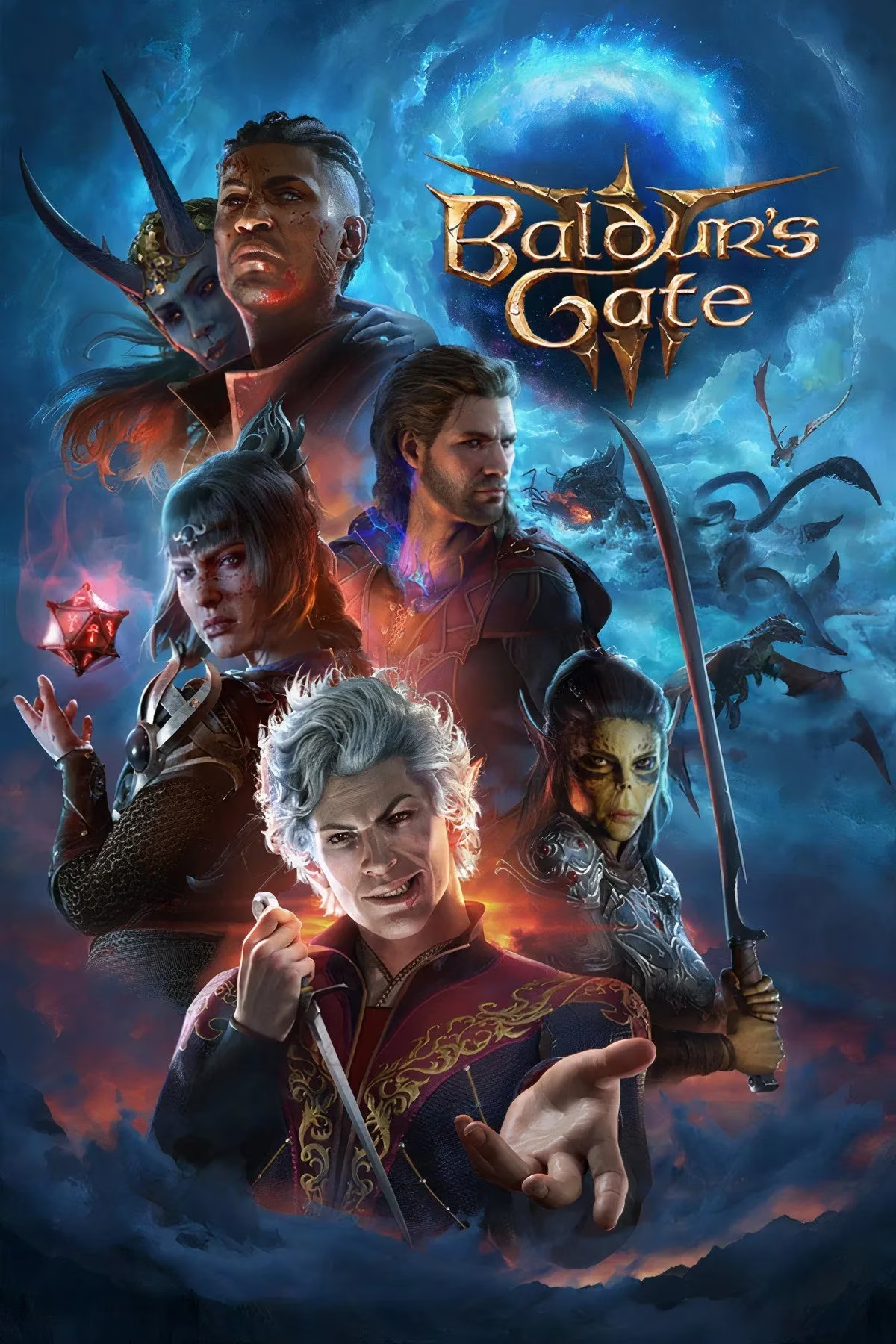
By 2026, the conversation around Baldur's Gate 3 had matured, but the game's popularity had not faded. Battling enemies remains a large part of the experience, yet the characters, story, and exploration are what helped it become one of the best RPGs of all time. Larian Studios may not return for a fourth game, and fans can only watch with excitement as the developer begins its next major project. In that wider story, tinybike's mod is a small but telling chapter. It shows that a beloved game can still be pulled apart, re-tuned, and imagined otherwise. The experiment may remain rough; its creator insisted as much. Its potential, however, was undeniable. For players who wanted the Sword Coast to feel less like a board game and more like a living battlefield, the mod was a fascinating glimpse of another path.