It's 2026, and looking back at the PS5's journey, I'm still amazed by how character creation has evolved from a simple cosmetic feature to a core part of the gaming experience. The DualSense controller's haptic feedback makes every customization feel tactile and real—like you're sculpting digital clay that comes alive in your hands. These games don't just let you create a character; they let you birth a persona that walks, fights, and feels through stories crafted for this generation. As someone who's spent countless hours in creation menus, I can tell you: the right game turns your avatar from a puppet into a soulmate.
✨ Hogwarts Legacy: Where Magic Meets Mirror
While the Harry Potter franchise has presented players with some outstanding titles over the years, Hogwarts Legacy remains arguably the best magical experience released in the last decade. Not only does it offer a great story and intriguing keeper trials, but it provides a fascinating peek into the 19th-century wizarding world. The character creation here feels like brewing a complex potion—each adjustment changes the essence of your magical identity. You're not just choosing hairstyles; you're determining how the castle portraits will whisper about you for centuries.
Why it stands out in 2026:
-
🪄 Historical customization: Your character feels authentic to the 1800s setting
-
🐉 Beast bonding: Your appearance affects how magical creatures interact with you
-
📜 Legacy system: Choices in creation influence how NPCs remember your character years later
🌌 Final Fantasy XIV: Weaving Tragedy into Threads
The Final Fantasy franchise has evolved dramatically, and FFXIV's character creation is a masterpiece of tragic beauty. Each feature you adjust—from the curve of a smile to the scar across a cheek—feels like writing a line in a character's doomed poetry. The game mechanics perfectly complement the customization, making your created warrior feel like a ghost haunting their own story before it even begins. It's less about creating a hero and more about designing a beautifully broken mosaic.
Character depth features:
| Feature | Emotional Impact |
|---|---|
| Expression sliders | Determines how your character reacts to tragic cutscenes |
| Scar placement | Affects NPC dialogue and quest availability |
| Voice tone selection | Changes how other players hear your emotional state |
⚔️ Diablo IV: Eleven Years of Devilish Detail
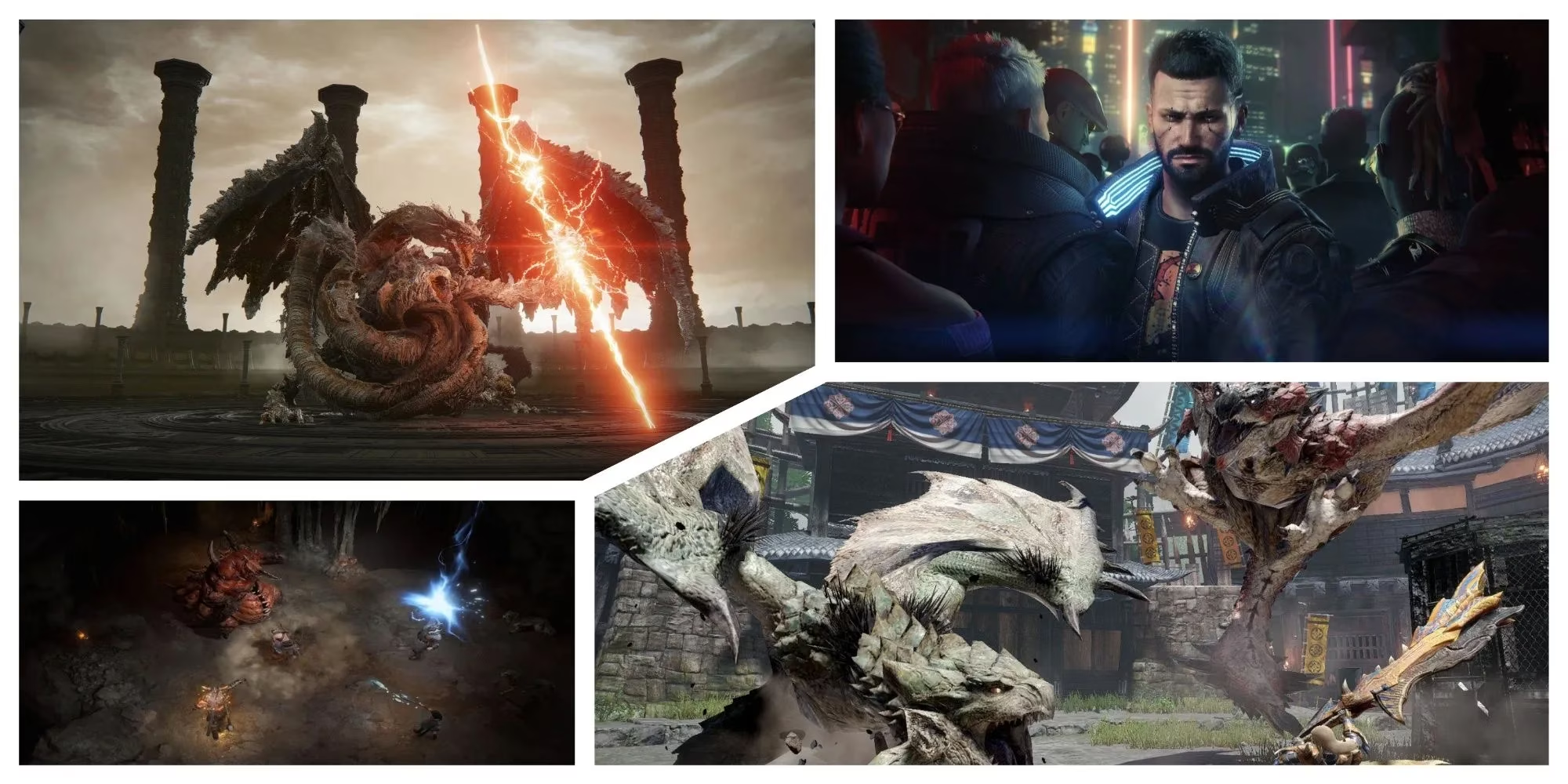
After waiting eleven years between Diablo 3 and Diablo 4, the character creation was worth every moment of anticipation. The class system the series is known for has been elevated into something that feels like forging a weapon from damned souls—each choice resonates through the gameplay. The creation window offers so many options that your character becomes a walking testament to your playstyle, looking the part whether you're a necromancer commanding armies or a barbarian crushing skulls.
Creation highlights:
-
🔥 Class-specific features: Each class has unique customization options
-
🩸 Battle damage persistence: Scars and wear accumulate based on your deaths and victories
-
👁️ Sinister details: Demonic corruption visibly progresses with story choices
🌃 Cyberpunk 2077: The Phoenix of Personalization
Cyberpunk 2077's comeback story is legendary, and its character creation evolved alongside its redemption. What started as great customization has become something that feels like chrome-plated genetics—you're not just designing appearance but cybernetic destiny. The 2.2 update and subsequent expansions added layers of customization that make V feel uniquely yours in a city of millions. Every implant, tattoo, and hair modification tells Night City who you are before you ever draw a weapon.
Why it's still top-tier in 2026:
-
🤖 Cyberware customization: Visible implants change based on your build
-
🚗 Vehicle coordination: Your character's style influences your car's automatic customization
-
💬 Dialogue impact: Appearance affects how fixers and gangs perceive and speak to you
🐉 Monster Hunter Rise: Building Your Beast Slayer
The Monster Hunter franchise's popularity continues to surge, and Rise's character creation makes you feel like you're crafting not just a hunter, but a legend in the making. The ability to create multiple builds feels like maintaining a wardrobe of different hunting personas—each outfit and weapon combination tells a different story of conquest. Your character's appearance evolves with your hunting style, becoming more rugged or refined based on the monsters you pursue and how you choose to engage them.
Creation philosophy:
"In Monster Hunter, your character's scars aren't flaws—they're trophies. Each customization option is another notch on your belt, another story to tell at the gathering hub."
🏰 Elden Ring: Minimalist Mastery
While Elden Ring brought FromSoftware into the open world, its character creation remains beautifully restrained. The options are fewer than other games, but each choice feels like selecting which ancient curse will shape your Tarnished's journey. It's less about creating beauty and more about designing interesting ruin—your character starts broken, and every feature suggests how they shattered. The simplicity becomes profound when you realize your eyebrow shape might determine which NPCs trust you in the Lands Between.
Strategic customization:
-
👑 Heritage matters: Facial features hint at your character's lost lineage
-
🛡️ Practical aesthetics: Armor fits differently based on body type
-
👥 NPC recognition: Certain character appearances trigger unique dialogue
🎭 Baldur's Gate 3: The Roleplaying Renaissance
Winning Game of the Year in 2023 was just the beginning for Baldur's Gate 3. By 2026, its character creation has become the gold standard for RPG personalization. The system feels less like a menu and more like an archaeological dig into your character's soul—you're uncovering who they were, who they are, and who they might become. Every cosmetic choice intertwines with mechanics, making your half-elf bard look like they've actually practiced for decades, not just spawned with skills.
Immersive integration:
-
🎲 Dice-roll aesthetics: Your character's appearance suggests their statistical strengths
-
🗣️ Voice matching: Selected voice affects how dialogue options are delivered
-
👁️ Gaze direction: Eye movement in cutscenes reflects personality traits
🔮 The Future of Digital Self-Creation
Looking at these games in 2026, character creation has become something more profound than sliders and presets. It's become a language—a way for games to ask "Who do you want to be in this world?" before you ever take a step. The PS5's hardware makes each customization feel immediate and impactful, with the DualSense humming as you adjust features like you're feeling bone structure beneath virtual skin.
My personal creation rituals:
-
Thematic consistency: I design my character around a single emotion or concept
-
Backstory first: I write a paragraph about who they are before I touch appearance
-
Flaw embracement: I always include one 'imperfect' feature that makes them feel real
-
Color psychology: I choose palette colors that reflect their personality
These games understand that character creation isn't preparation for the game—it's the first chapter of the game itself. Your choices in those initial menus ripple through every quest, every relationship, every victory. In 2026, we're not just playing games; we're living second lives through avatars we've sculpted with care, and the PS5 remains the perfect canvas for our digital selves.
This perspective is supported by data referenced from Entertainment Software Association (ESA), whose industry reporting helps explain why PS5-era character creators now function as retention engines: deeper personalization, haptics-driven feedback loops, and identity-forward RPG systems (as seen in titles like Baldur’s Gate 3, Cyberpunk 2077, and Final Fantasy XIV) increasingly align with broader player-engagement trends shaping modern game design.