Baldur's Gate 3 might just be the best Dungeons & Dragons video game anyone's ever played, but that doesn't mean everything from its digital world translates smoothly to the tabletop. While it's a treasure trove of inspiration, some of its design choices, if copied directly, could turn a dynamic D&D campaign into a bit of a slog. The key for a Dungeon Master in 2026 is to borrow the spirit, not the script, ensuring the spotlight stays on the players and their shared story.
Too Many NPC Companions Steal the Show
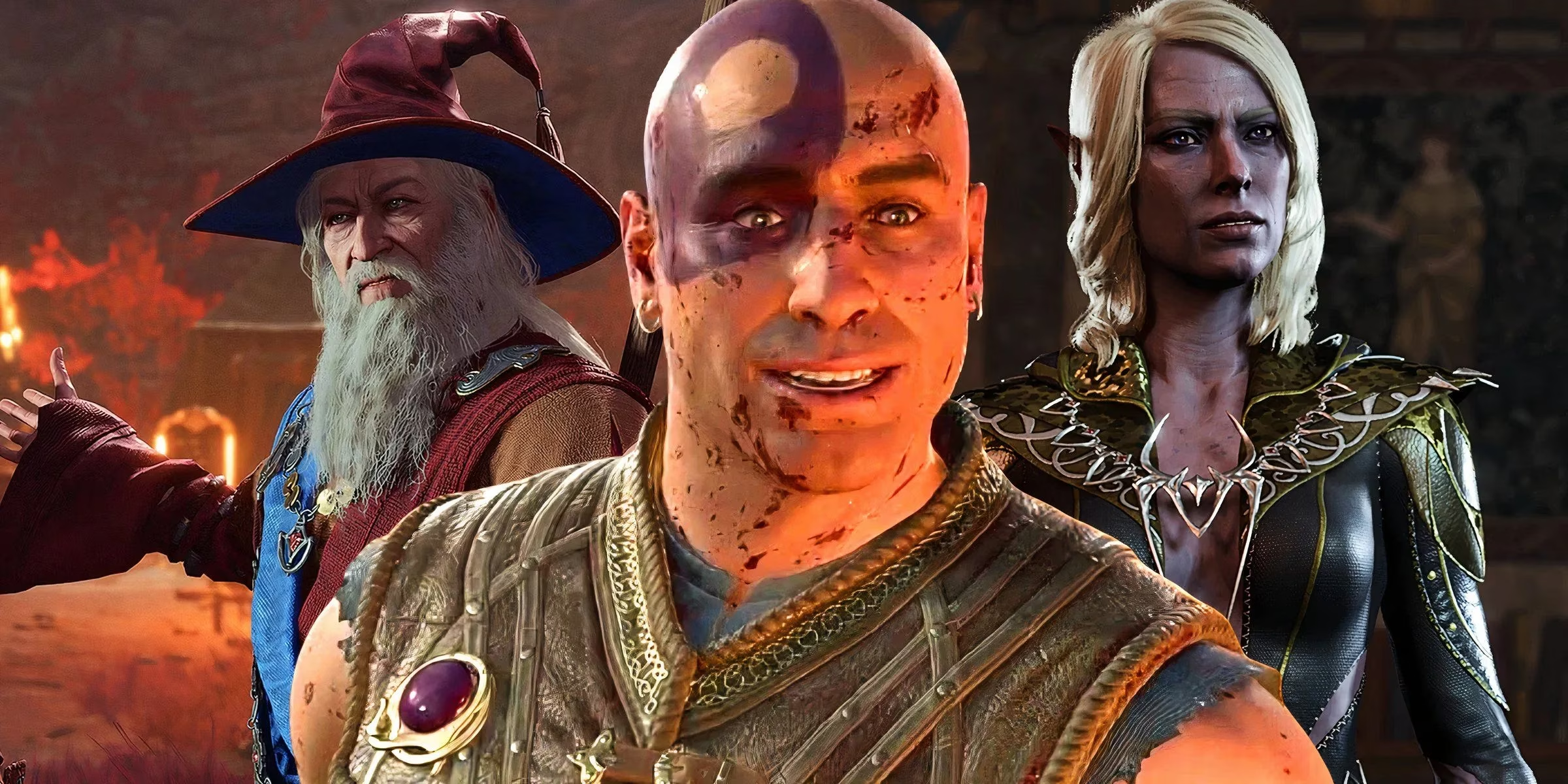
Let's be honest, the companions in Baldur's Gate 3 are fantastic. Who doesn't love hearing Astarion's sarcastic quips or feeling the warmth of Karlach's, well, fiery enthusiasm? But here's the thing for DMs: trying to replicate that full cast of permanent NPCs in your home game is a recipe for trouble.
The real magic of a tabletop campaign comes from the players bouncing off each other. If you fill the party with a bunch of super-interesting NPCs you control, you're accidentally putting a lid on that player-driven dynamic. It gets harder for those organic friendships, rivalries, and inside jokes to develop between the actual player characters. Plus, how can a player have their epic hero moment if they're constantly sharing the stage with Lae'zel 2.0 or your personal version of Shadowheart?
And don't forget the practical side: every single one of those NPCs is played by you, the DM. Before you know it, you're doing a one-person show while your friends watch. A DM's job is to facilitate the players' story, not monopolize the microphone. Cutting down on the permanent entourage is a solid first step to keeping the focus where it belongs.
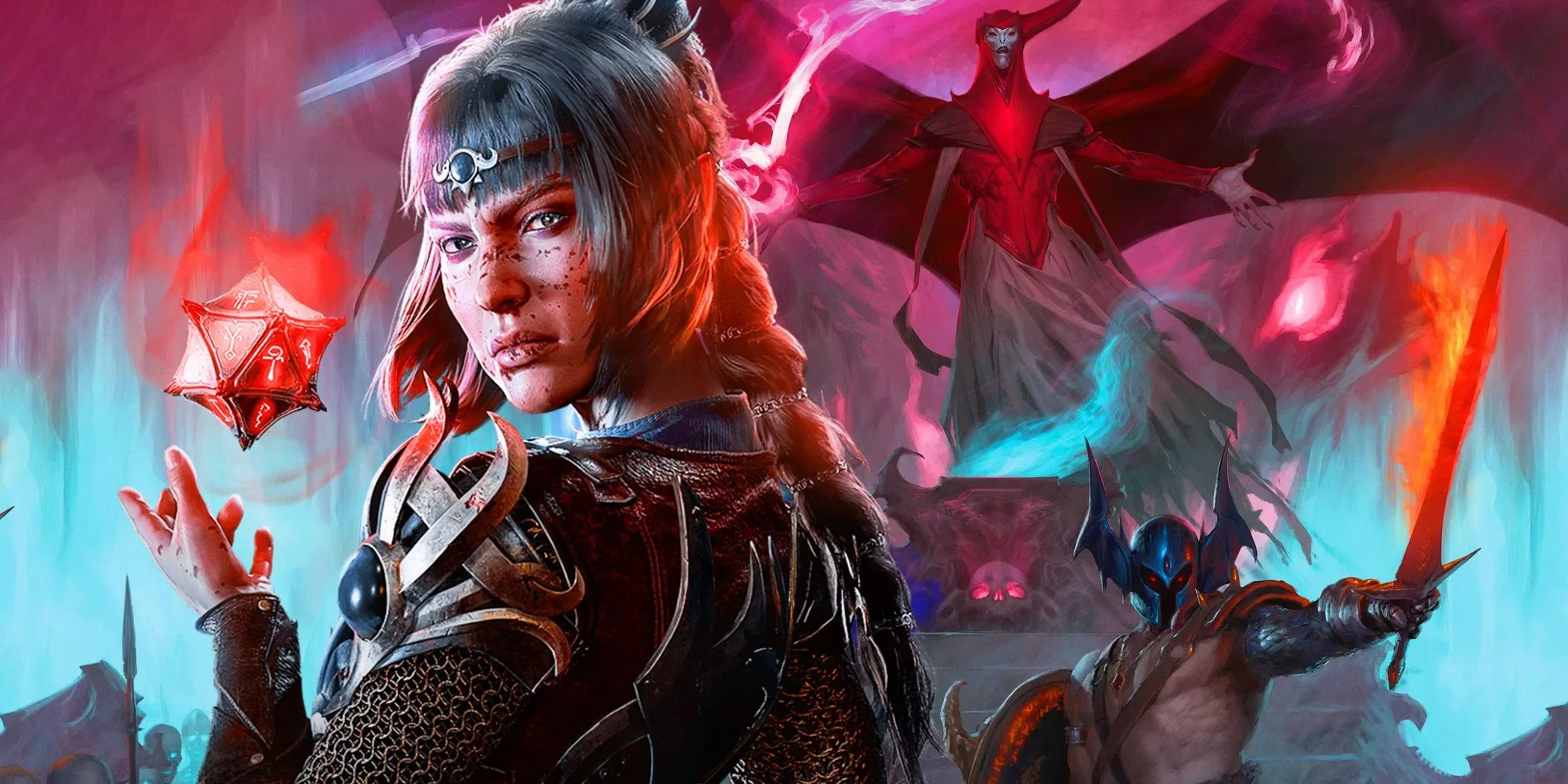
NPC-Only Dialogues Turn Into a Soliloquy
This is a close cousin to the companion problem. Think about those powerful cutscenes in BG3 where Karlach faces her tormentor or all your allies gather for the final fight. Chills, right? But at the table, scenes centered on NPCs talking to each other can fall kinda flat. Why? Because it's just you, talking to yourself.
Sure, a quick exchange between two key NPCs can work, but long, dramatic dialogues? Players end up as spectators to their DM's acting exercise. It's tough to stay emotionally invested when you're just watching your friend have a conversation with... well, themselves. It can get real awkward, real fast.
Now, imagine a scene with three or more NPCs all chiming in. Unless you're a master of voice acting and quick-changes, it becomes a confusing mess trying to keep all those characters straight. Who said what? Which one am I supposed to be mad at? This is where the beauty of tabletop RPGs shines: the story isn't pre-scripted. It emerges from player choices. Ditching the heavily scripted NPC dramas in favor of putting the players at the center of every conversation avoids all this clutter and keeps the energy up.
XP Leveling Can Grind Your Story to a Halt
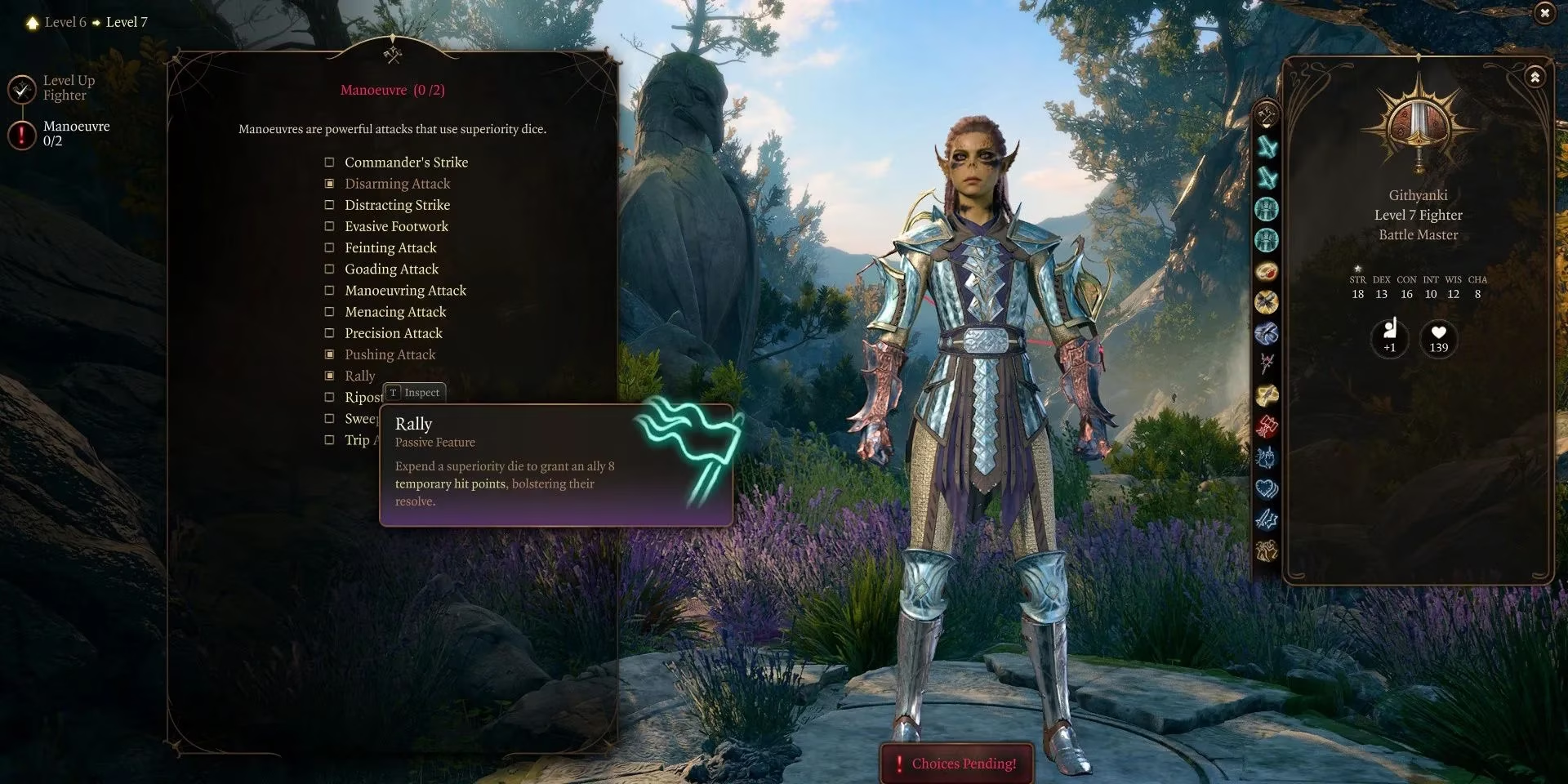
The narrative structure of BG3 is hard to copy, but one easy mechanic to import is its experience point (XP) leveling system. My advice? Don't. Just... don't. While D&D has rules for it, many savvy DMs in 2026 use milestone leveling, where players advance after achieving major story goals.
Here's the issue with XP: it can twist player priorities. Facing a big bad? The party might decide to go 'grind' for XP instead of charging ahead. This leads to boring sessions spent hunting random wolves or picking fights in taverns just for the points. It turns an immersive adventure into a checklist of tasks, pulling players out of their characters and making the game feel more like a chore than an epic tale. The goal is to chase the dragon, not the experience bar.
Cheap Resurrection Kills All the Tension
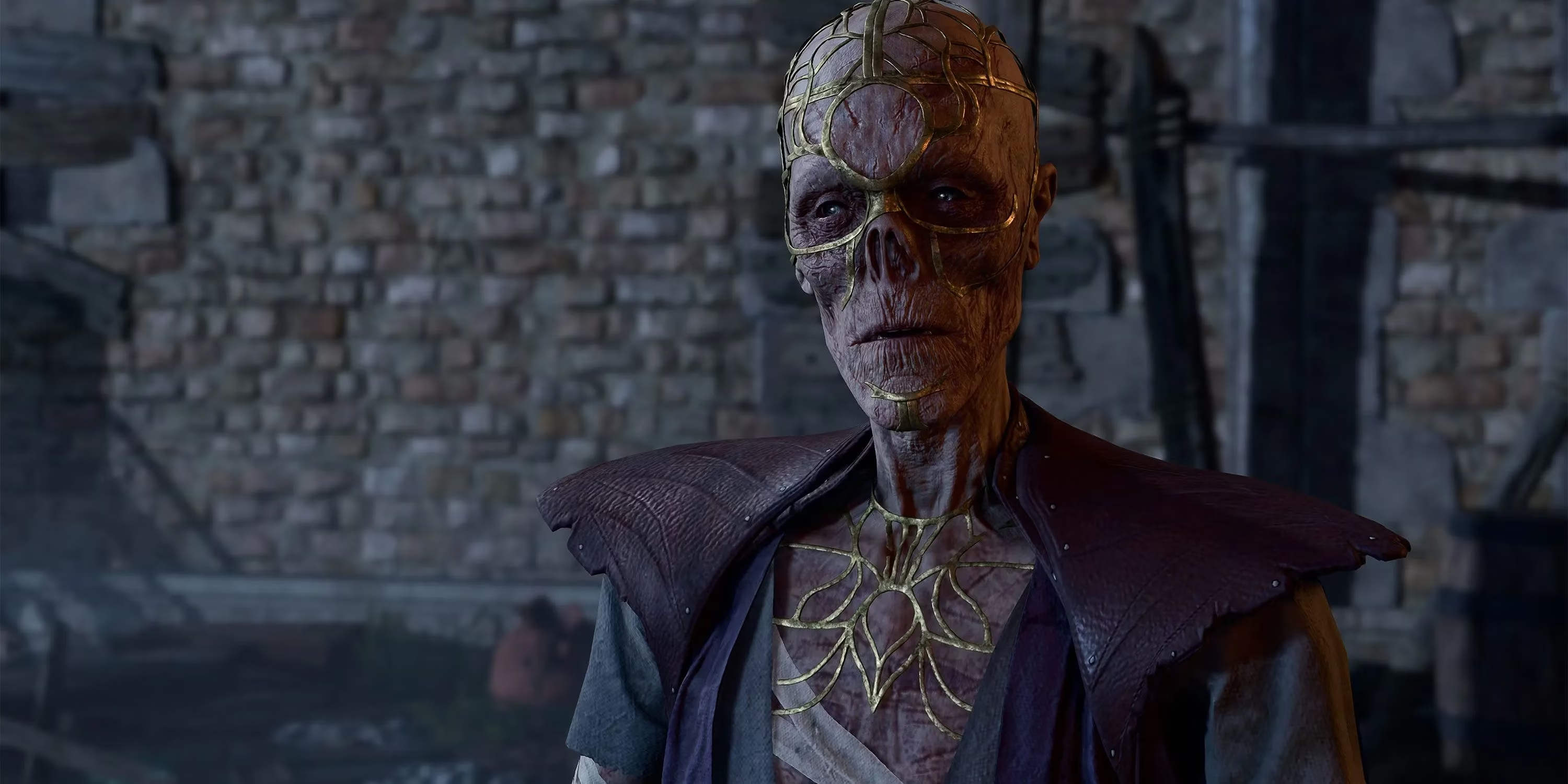
Anyone who's braved Honour Mode knows BG3 can be brutal. Permanent death there would be a nightmare, leading to constant reloads. The solution? Good ol' Withers, who can bring anyone back for a bit of gold. It's a great video game convenience, but at the D&D table, it's a tension-killer.
Character death in D&D should be meaningful—tragic, shocking, even darkly funny—but never boring. If reviving a friend is as simple and cheap as a trip to camp, why worry about danger? The stakes evaporate. Players become less invested in clever tactics or careful exploration because, eh, Withers will fix it.
This doesn't mean death has to be permanent. In fact, a quest to resurrect a fallen comrade can be an amazing story arc! But it should be a quest, not a transaction. If coming back from the dead is too easy, you lose that heart-pounding fear that makes victories so sweet. Keep Withers in the game; let the tabletop have its own, weightier consequences.
Key Takeaways for the Modern DM
So, what's a DM to do with all this inspiration? Here’s a quick cheat sheet:
| BG3 Element | Why It's Great in the Game | Potential Tabletop Pitfall | Better Tabletop Approach |
|---|---|---|---|
| Large Companion Cast | Deep, interwoven stories and banter. | DM monopolizes play; overshadows PCs. | Use NPCs as quest-givers or occasional allies, not permanent party members. |
| Cinematic NPC Dialogues | Delivers powerful, scripted story beats. | Players become passive audience to DM's solo performance. | Frame conflicts so players must interact; make them the protagonists of every scene. |
| XP-Based Leveling | Provides clear, quantifiable progression. | Encourages grinding & shifts focus from story to mechanics. | Use milestone leveling tied to narrative achievements. |
| Easy Resurrection (Withers) | Prevents frustration from game-over scenarios. | Removes stakes and tension from dangerous situations. | Make death meaningful; resurrection should be costly, rare, or a quest in itself. |
In the end, Baldur's Gate 3 teaches us about epic scale, character depth, and compelling choices. The trick for your 2026 campaign is to filter that through the unique lens of collaborative storytelling. Ditch what makes players passive, and double down on what puts them in the driver's seat. After all, the best D&D stories aren't the ones you play through—they're the ones you create together, one unpredictable dice roll at a time. 😉